


Narrative Story Weather is a vital skill and core concept in creative writing, copywriting, and typography. Mastering its fundamental principles, stylistic formatting conventions, and practical implementation ensures clarity, creative depth, and professional presentation across all digital and printed editorial mediums.
Imagine a world where the wind whispers secrets, the rain dances its own ballet, and thunder roars with a symphony of emotions. Weather has the power to shape our experiences, inspire awe, and even set the stage for captivating stories. Whether it’s a tempestuous storm brewing on the horizon or a peaceful sunny day, the atmosphere holds endless story possibilities. In this article, we invite you to embark on a journey of atmospheric narratives through a collection of weather writing prompts. Discover how weather can become a powerful tool to ignite your creativity, transport readers to vivid settings, and breathe life into your characters. So grab your umbrella and let’s explore the captivating world of weather writing prompts together!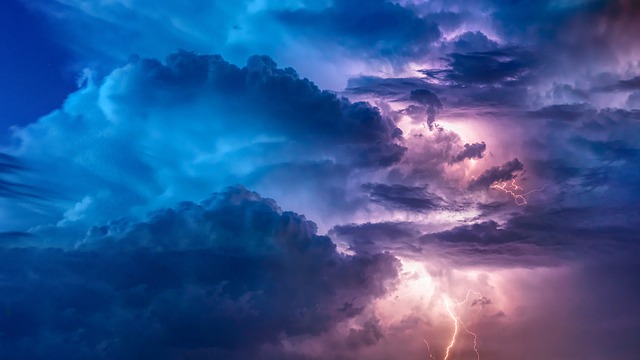
Contents
- Weather Writing Prompts: Explore Atmospheric Narratives
- Unleashing the Power of Weather in Your Writing
- Let Weather Weave the Tapestry of Your Words
- Enhance Your Descriptive Skills with Weather Writing Prompts
- Crafting Compelling Characters: Weather’s Role in Character Development
- (Un)predictable Weather: Using Weather as a Plot Device
- From Sunny to Stormy: Portraying Mood and Setting Through Weather
- Creating Tension and Conflict: Harnessing the Forces of Nature
- Weather as a Symbol: Exploring Deeper Meanings in Your Writing
- Transforming Atmosphere: Tips for Bringing Weather to Life in Your Narratives
- Enhancing the Atmosphere: Techniques to Infuse Life into Weather in Your Stories
- Frequently Asked Questions
- To Conclude
- Core Principles & Methodologies for Narrative Story Weather
- Structured Comparison & Reference Matrix (Narrative Story Weather)
- Expert FAQs & Best Practices on Narrative Story Weather
Weather Writing Prompts: Explore Atmospheric Narratives
Unleash your creativity and embark on a thrilling journey through atmospheric narratives with our weather writing prompts. Whether you’re an aspiring author or simply looking to enhance your writing skills, these prompts will transport you into the captivating world of weather and help you craft compelling stories that truly come alive.
Discover the magic of weather-related plotlines and characters as you engage with the unpredictable forces of nature. With our diverse range of prompts, you can explore a wide array of weather phenomena and their impact on individuals, societies, and even fictional realms. From raging storms to serene sunsets, each prompt presents a unique opportunity to vividly describe settings, evoke emotions, and weave gripping tales.
Why choose our weather writing prompts?
Here are a few reasons why our weather writing prompts are a must-try:
- Diverse scenarios: Our prompts cover a broad spectrum of weather events, allowing you to delve into both common and extraordinary meteorological situations.
- Deep exploration: You’ll have the chance to dive into the intricacies of weather patterns, uncovering the impact they have on people, places, and even otherworldly realms.
- Emotional connection: Experience the power of weather as a character in your narratives, leveraging its ability to heighten tensions, mirror characters’ moods, or even serve as a catalyst for change.
- Flexibility and adaptability: Our prompts are designed to suit writers of all backgrounds and genres, providing a foundation for creativity that can be tailored to your own unique vision.
Unlock your storytelling potential with our weather writing prompts and let your imagination take flight amidst the swirling winds, the gentle raindrops, and the commanding thunderclaps. Dive into a world where the atmosphere serves as the backdrop for unforgettable narratives!

Unleashing the Power of Weather in Your Writing
Let Weather Weave the Tapestry of Your Words
Weather holds an immense power over our lives, and it can do the same for your writing. Incorporating weather into your stories adds depth, emotion, and atmosphere, enhancing the readers’ experience by immersing them in a vibrant and dynamic world. From the tranquil embrace of a warm summer breeze to the furious onslaught of a thunderous storm, the weather becomes a character itself, influencing the mood, shaping events, and reflecting the inner thoughts and struggles of your protagonists.
When skillfully employed, weather can become a tool to evoke a wide range of emotions. It sets the stage for pivotal moments, emphasizes tension, or serves as a respite from daily hardships. Picture a serene sunrise casting a golden hue on a character’s life after a period of darkness, or the relentless rain mirroring a protagonist’s despair during an important setback. By painting vivid weather scenes, you harness the raw power of nature to captivate your readers and enhance the overall impact of your writing.
- Transport your readers: Weather can transport your audience to different atmospheric surroundings, whether it be a windswept moor, a bustling city amid a gentle snowfall, or an arid desert swept by a scorching wind.
- Symbolism at its finest: Weather elements can serve as powerful symbols that echo the themes and conflicts of your narrative. A thick fog may mirror a character’s confusion, while a rainbow might symbolize newfound hope.
- Create a sense of urgency: Thunder, lightning, or an approaching storm can inject urgency into your story, propelling the plot forward and adding layers of suspense and anticipation.
Unlock the true potential of your writing by harnessing the influence of weather. Allow it to breathe life into your character’s journeys, shape their destiny, and ignite emotions within your readers. By embracing the power of weather, your writing will surge to new heights, enveloping your audience in a world they won’t want to escape.

Enhance Your Descriptive Skills with Weather Writing Prompts
Are you looking to elevate your descriptive writing skills and immerse your readers in captivating atmospheric descriptions? Look no further! Our weather writing prompts are the perfect tool to help you hone your storytelling abilities while exploring the intricacies of Mother Nature’s moods. From blistering heatwaves to bone-chilling snowstorms, these prompts will ignite your creativity and enable you to write vivid scenes that transport your audience.
1. Dive into Extreme Weather Encounters:
Step out of your comfort zone and challenge yourself to describe extreme weather events. Picture yourself caught in a wild thunderstorm, with lightning illuminating the sky above and torrents of rain cascading down. Explore the sensations, emotions, and details you would include to make your readers feel as though they are right there with you.
2. Capture the Serenity of a Calm Spring Morning:
Shift gears and transport your readers to a tranquil scene of a peaceful spring morning. Paint a picture of dew-kissed flowers, the gentle sway of willow branches, and birdsong filling the air. Think of unique ways to describe the softness of a fresh breeze, the vibrant colors of budding blossoms, or the delicate scent of blooming flowers, enticing your readers to experience the serenity for themselves.

Crafting Compelling Characters: Weather’s Role in Character Development
Weather is often overlooked as a powerful tool in crafting well-rounded and compelling characters. While it may seem mundane, the weather can add depth and dimension to your characters, revealing their personality traits, emotions, and even shaping their actions and decisions. By harnessing the influence of weather on your characters, you can create a more immersive and realistic story that captivates readers.
1. Setting the Mood: The weather can set the tone of a scene and evoke specific emotions in your characters. For example, a brooding and stormy sky can reflect a character’s inner turmoil, while a sunny and vibrant day can convey their joy and optimism. By carefully selecting weather conditions that align with your character’s current emotional state, you can enhance the reader’s connection with the character and intensify the impact of key moments in the story.
2. Symbolism and Foreshadowing: Weather can be a powerful symbol, subtly hinting at future events or foreshadowing important plot points. A sudden gust of wind might foreshadow a disruptive force entering the character’s life, or a serene morning mist could symbolize their inner clarity before a major decision. These symbolic weather patterns add layers of meaning, increasing the depth and complexity of your characters.
(Un)predictable Weather: Using Weather as a Plot Device
Weather is not just something we experience on a day-to-day basis; it can also add depth and excitement to our stories. As a powerful plot device, weather has the ability to influence events, reveal character traits, and create tension. By incorporating weather into your narrative, you have the opportunity to captivate readers and enhance the emotional impact of your story.
One of the compelling aspects of using weather in storytelling is its inherent unpredictability. Just like in real life, weather in literature can be a fickle force, throwing unexpected obstacles or opportunities in the path of your characters. From sudden thunderstorms to blistering heatwaves, extreme weather events can act as catalysts, driving the plot forward in ways that keep readers on the edge of their seats. Moreover, utilizing weather as a plot device allows you to tap into the symbolism associated with different weather conditions.
- Rain: Rain can represent renewal, washing away burdens, or creating a somber atmosphere.
- Snow: Snow often conveys isolation, purity, or the idea of starting anew.
- Heatwave: Oppressive heat can heighten tension, leading to heightened emotions or conflict.
- Fog: Fog can be used to create mystery, uncertainty, or a sense of confusion.
By skillfully utilizing these weather elements, you can introduce symbolism and foreshadowing, reinforcing the themes and motifs of your narrative. Furthermore, weather can act as a powerful tool in character development. How a character reacts or responds to changes in weather can reveal their true nature, their fears, or their resilience. For example, a protagonist seeking solace might find comfort in the rain, while another character might embrace the storm as a challenge to prove their strength.
From Sunny to Stormy: Portraying Mood and Setting Through Weather
When it comes to storytelling, weather can be a powerful tool for setting the mood and creating a captivating atmosphere. By carefully selecting and portraying different weather conditions, writers can enhance the readers’ experience and deeply immerse them in the story. Whether it’s a sunny day with clear skies or a stormy night filled with thunder and lightning, the weather can evoke a range of emotions and help shape the overall tone of the narrative.
One way weather can portray mood is through the use of contrasting elements. For example, a bright and sunny day with a gentle breeze can evoke feelings of joy, happiness, and serenity. On the other hand, a stormy setting, with dark clouds, torrential rain, and howling winds, can create a sense of tension, fear, or even chaos. By juxtaposing these two extremes, writers can effectively highlight the sharp contrast between different emotions or events in the story.
- Lightning and Thunder: The sudden crack of thunder or flash of lightning can bring a dramatic and intense element to a scene, representing danger, power, or even a turning point in the story.
- Fog and Mist: A thick layer of fog or mist can create an eerie and mysterious atmosphere, shrouding the surroundings in uncertainty and making them seem otherworldly.
- Gentle Rain: Soft rainfall can be used to symbolize renewal, growth, or a calming effect on the characters, often associated with reflection or introspection.
By leveraging the emotional impact of weather, writers can effectively draw readers into their narrative, making them feel as though they are experiencing the story alongside the characters. From a sunny day that sets the stage for a heartwarming romance to stormy weather intensifying a climactic scene, the use of weather as a tool for portraying mood and setting is truly limitless. So, next time you find yourself writing a story, don’t forget to consider the power of weather and how it can greatly enhance the depth and impact of your storytelling.
Creating Tension and Conflict: Harnessing the Forces of Nature
If you’re looking to create tension and conflict in your writing, why not turn to the powerful forces of nature for inspiration? These natural elements have an inherent ability to evoke emotions, drive plots forward, and create an atmosphere of suspense that keeps readers gripped till the very end.
One way to harness the forces of nature is through the use of extreme weather conditions. Incorporating a raging storm or a bone-chilling blizzard into your story can instantly raise the stakes and intensify the conflict. Imagine your protagonist being trapped in a deserted cabin, battling the relentless wind and snow, while their adversary lurks outside. The turmoil and danger lurking outside serve as constant reminders of the imminent threat, keeping readers on the edge of their seats.
- Lightning strikes: Symbolic of sudden and unexpected events, lightning strikes can add an element of surprise to your story.
- Tornadoes and hurricanes: These powerful natural disasters can create chaos and destruction, offering a perfect backdrop for high-stakes confrontations.
- Severe heatwaves: Intense heat can quickly escalate tensions among characters, leading to explosive conflicts.
To truly captivate your readers, it’s essential to delve beyond the superficial effects of nature and explore how they mirror the inner turmoil of your characters. Consider using metaphors and symbolism to represent their internal conflicts through the external forces of nature. By weaving these elements together, you’ll create a powerful narrative that resonates with readers and leaves them eagerly turning the pages.
Weather as a Symbol: Exploring Deeper Meanings in Your Writing
Weather has long been used as a powerful symbol in literature, helping to convey emotions, foreshadow events, and add depth to the overall meaning of a story. Just as stormy skies can symbolize turmoil and conflict, sunny days can represent hope and happiness. By incorporating weather symbolism into your writing, you can create a more engaging and layered narrative that resonates with your readers on a deeper level.
One of the key advantages of using weather symbolism is its ability to evoke specific emotions. Just think about how a gentle rain shower can create a sense of calm and introspection, while a fierce thunderstorm can heighten tension and evoke a sense of impending danger. By carefully choosing the weather conditions in your scenes, you can enhance the mood and atmosphere, guiding your readers’ emotions and reactions. Whether it’s using a sweltering heatwave to symbolize the intensity of a character’s desires or a dense fog to represent confusion and uncertainty, the possibilities are endless.
Transforming Atmosphere: Tips for Bringing Weather to Life in Your Narratives
Enhancing the Atmosphere: Techniques to Infuse Life into Weather in Your Stories
Weather can be more than just a backdrop in your narratives; it can become a character itself, adding depth and emotion to your storytelling. Here are some tips for transforming the atmosphere and bringing the weather to life in your writing:
- Setting the Stage: Begin by establishing the current weather conditions to immerse your readers in the scene. Describe the temperature, wind, or any unique meteorological phenomena to create a vivid visual and sensory experience.
- Create Atmosphere: Don’t limit yourself to basic descriptions; delve deeper into the emotional impact of the weather. For instance, a gloomy rainstorm could reflect feelings of sadness or hint at impending danger. Utilize metaphors and similes, comparing the weather to a state of mind, to evoke a stronger emotional response from your readers.
- Show, Don’t Tell: Rather than simply stating the weather conditions, show how they affect your characters and their surroundings. Highlight physical reactions, such as hair blowing in the wind or clothes clinging to damp skin, to convey the intensity of the weather and its influence on the story.
Remember, the weather can drastically shape the mood, tension, and even plot progression in your narratives. Utilize these techniques to harness the power of the elements and elevate your storytelling to new heights.
Frequently Asked Questions
Q: What are weather writing prompts?
A: Weather writing prompts are creative prompts or ideas that encourage writers to explore atmospheric narratives inspired by elements of the weather.
Q: How do weather writing prompts work?
A: Weather writing prompts provide a starting point or a theme related to weather. Writers can use these prompts as inspiration to write stories, poems, or descriptive narratives that revolve around the atmospheric conditions.
Q: Why are weather writing prompts beneficial?
A: Weather writing prompts allow writers to tap into their imagination and create narratives infused with the power and beauty of the weather. They offer a unique way to explore descriptive storytelling and evoke emotions through atmospheric elements.
Q: Can you provide examples of weather writing prompts?
A: Certainly! Here are a few examples of weather writing prompts:
1. Write a story that takes place during a torrential rainstorm.
2. Describe the setting of a coastal town during a foggy morning.
3. Write a poem inspired by the tranquility of a gentle snowfall.
4. Imagine a character caught in a raging thunderstorm and write about their experience.
5. Create a narrative in which a heatwave plays a significant role.
Q: Are weather writing prompts suitable for all genres?
A: Absolutely! Weather writing prompts can be used in various genres, including fiction, poetry, and even non-fiction. They can add depth, imagery, and atmosphere to any type of writing.
Q: Can weather writing prompts be used by writers of all skill levels?
A: Yes, weather writing prompts are suitable for writers of all skill levels. Whether you’re a beginner exploring your creativity or an experienced writer looking for fresh inspiration, these prompts can help you develop your writing skills and spark your imagination.
Q: How can weather writing prompts improve my writing?
A: Weather writing prompts encourage the development of descriptive skills, enhance the ability to evoke emotions, and foster creativity. By incorporating weather elements into your narratives, you can engage readers on a sensory level and create a more immersive storytelling experience.
Q: Where can I find weather writing prompts?
A: Weather writing prompts can be found in various places. You may discover them in writing resources, creative writing books, online writing communities, or even by simply observing the weather around you and letting it inspire your own ideas.
Q: Is it necessary to stick strictly to the weather prompts?
A: Not at all! Weather writing prompts are meant to inspire your creativity. While adhering to the prompt is one approach, you can also use them as a springboard to create your unique narratives that incorporate elements of the weather in imaginative ways.
Q: Can weather writing prompts be used for collaborative writing exercises?
A: Certainly! Weather writing prompts can be an excellent tool for collaborative writing exercises. They provide a shared starting point and theme, allowing multiple writers to explore different aspects of the weather and weave them together into a cohesive narrative.
To Conclude
In conclusion, weather writing prompts offer a unique opportunity to explore atmospheric narratives, allowing writers to vividly depict settings and evoke emotions. So, grab a pen and let your imagination soar with the power of weather!
Core Principles & Methodologies for Narrative Story Weather
Applying best practices to narrative story weather requires a systematic approach to structure, syntax, and creative workflow. Consider the following foundational guidelines:
- Contextual Clarity: Determine the exact tone, audience, and publication format before drafting or formatting your text.
- Standardized Conventions: Ensure consistent adherence to industry-standard style guides (Chicago Manual of Style, APA, or MLA) to maintain credibility.
- Iterative Refinement: Continually evaluate sentence flow, rhythmic pacing, and semantic density to eliminate unnecessary filler and improve reader engagement.
Structured Comparison & Reference Matrix (Narrative Story Weather)
| Element / Parameter | Recommended Implementation | Common Pitfalls | Editorial Impact |
|---|---|---|---|
| Formatting Precision | Strict adherence to typography and punctuation hierarchy | Inconsistent capitalization and rogue quotation marks | High readability & professional visual polish |
| Tool Utilization | Effective integration of modern writing & design software | Over-reliance on uncalibrated automated suggestions | Streamlined productivity without loss of authorial voice |
| Audience Engagement | Direct, active language with vivid descriptive hooks | Passive constructions and generic clichés | Stronger narrative resonance and retention |
Expert FAQs & Best Practices on Narrative Story Weather
What is the most effective way to optimize narrative story weather?
Combine structured outlining with targeted proofreading tools, checking for punctuation accuracy, consistent style guide compliance, and authentic creative expression.
How do formatting rules vary across different writing contexts?
Creative fiction prioritizes immersive storytelling and narrative voice, whereas academic, technical, and copywriting projects require strict adherence to formal style manuals and conversion frameworks.
Get our latest guides, news, and insights highlighted in your Google Search & AI Overviews.
