

Have you ever wondered how to make your name pop, stand out, and make a lasting impression? Well, look no further! In this article, we will delve into the fascinating world of block letters and unleash the power of the personal touch. Whether you’re a student, an artist, or simply someone who wants to add a unique flair to their written work, learning how to write your name in block letters is a skill that will undoubtedly elevate your creativity. So, sharpen your pencils and get ready to embark on a journey where each stroke of your hand transforms into an art form – it’s time to master the art of block lettering and make your mark in style!
Contents
- Introduction: The Power of Block Letters
- Understanding Block Letters: The Basics and Benefits
- Choosing the Right Tools: Materials and Instruments for Writing Block Letters
- Step-by-Step Guide: Mastering the Technique of Writing Your Name in Block Letters
- Enhancing Your Personal Style: Creative Tips to Make Your Block Letters Stand Out
- Adding Flair: Experimenting with Colors, Shadows, and Embellishments in Block Lettering
- Taking It to the Next Level: Combining Block Letters with Calligraphy and Other Typography Styles
- Practice Makes Perfect: Useful Exercises to Hone Your Block Lettering Skills
- Frequently Asked Questions
- Final Thoughts
Introduction: The Power of Block Letters
Block letters, also known as capital letters or uppercase letters, hold a unique power in the realm of typography. Their bold and commanding presence can instantly grab the reader’s attention, making them a popular choice for titles, headings, and signage. With their clean lines and distinct shapes, block letters exude strength and authority, creating a sense of reliability and trustworthiness.
One of the main advantages of using block letters is their high legibility. The clear and well-defined characters make it easier for readers to decipher and comprehend words at a glance. This is particularly important in situations where quick and effortless reading is essential, such as in branding, advertisements, or street signs. Block letters eliminate the ambiguity associated with cursive or script fonts, ensuring that your message is delivered with clarity and impact.
Block letters can also add a touch of elegance and sophistication to your designs. Their simplicity and geometric shapes make them visually pleasing, creating a sense of balance and harmony. Whether you’re designing a logo, creating a poster, or crafting a website layout, incorporating block letters can elevate your design and give it a professional touch. Additionally, block letters lend themselves well to various styles and treatments, such as 3D effects, shading, or even decorative elements, allowing for endless possibilities in your creative endeavors.
In a world where first impressions are crucial, harnessing the power of block letters can be a game-changer. Their commanding presence and legibility make them a go-to choice for anyone looking to make a bold statement or capture attention effortlessly. So, whether you’re designing a catchy billboard or crafting an eye-catching social media post, consider utilizing the power of block letters to amplify the impact of your message and leave a lasting impression on your audience.

Understanding Block Letters: The Basics and Benefits
Block letters are a fundamental aspect of typography that can greatly enhance the visual appeal and legibility of your text. Understanding the basics of block letters is essential for designers, graphic artists, and anyone involved in creating visually captivating content. These letters are characterized by their solid, rectangular shape and lack of any curvilinear elements. By utilizing bold and straight lines, block letters bring a sense of structure and clarity to your written communication.
The benefits of using block letters go beyond just aesthetics. Firstly, their simplicity ensures readability, making them an excellent choice for signage, posters, and advertisements. Whether you are designing a logo or creating a bold heading for a web page, block letters allow for quick and effortless recognition. Moreover, their versatility allows you to experiment with various layouts and color combinations, making your message even more visually striking. By using block letters, you can grab the attention of your audience and convey your message effectively, making it memorable and impactful. So why not dive into the world of block letters and elevate your typography game to new heights?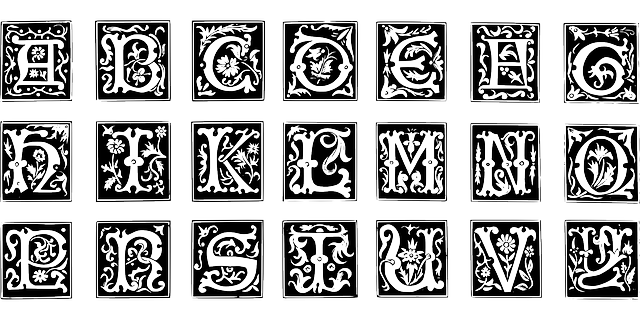
Choosing the Right Tools: Materials and Instruments for Writing Block Letters
When it comes to writing block letters, having the right tools and materials can make all the difference in creating clean and visually appealing designs. Here are some essential instruments and materials to consider:
- Pencils: Choose a quality graphite pencil for outlining and sketching your block letters. The softness of the lead will allow for smooth lines and easy erasing.
- Rulers: A ruler is a must-have tool for achieving straight and even lines in your block lettering. Look for a clear plastic ruler with both inches and centimeter measurements for precise measurements.
- Eraser: An eraser is essential for fixing any mistakes or imperfections. Opt for a kneaded eraser, as it doesn’t leave behind debris and can be molded to erase small or intricate areas easily.
- Markers: Choose a set of high-quality markers with various tip sizes in bold and vibrant colors. These markers will be used to fill in the block letters, so ensure they offer good coverage and have a long-lasting ink.
In addition to these tools, you’ll also need the right materials to create your block letters effectively.
- Sketchbook or Drawing Paper: Use a sketchbook or thick drawing paper to practice and refine your block lettering. It should be sturdy enough to handle erasing and marker use without bleed-through or smudging.
- Tracing Paper: Tracing paper is an excellent tool for transferring your block letter designs onto different surfaces. It allows you to easily replicate your work accurately and neatly.
- Ruler for Straight Lines: Consider using a transparent ruler specifically designed for creating straight lines without smudging or damaging your work. It can be incredibly useful for maintaining consistent spacing and alignment.
By utilizing these materials and instruments, you’ll have everything you need to start creating captivating block letter designs. Remember to experiment, practice, and most importantly, enjoy the process of turning simple letters into impressive works of art!

Step-by-Step Guide: Mastering the Technique of Writing Your Name in Block Letters
Mastering the technique of writing your name in block letters can be a fun and creative way to make your signature stand out. Whether you want to add a personal touch to your artwork or simply want to improve your handwriting, following these step-by-step instructions will help you achieve clean and stylish block letters.
Tips for Writing Your Name in Block Letters:
- Start with capital letters: Begin each block letter by writing the uppercase version of the corresponding letter. This will create a bold and eye-catching effect.
- Keep it simple: Block letters are known for their simplicity. Focus on using straight lines and sharp angles to create each letter, avoiding any unnecessary curves or loops.
- Maintain consistent size: Ensure that all letters are of the same height and width. Consistency is key when it comes to creating a polished and professional-looking block letter design.
- Leave space between each letter: One of the defining characteristics of block letters is the space between each letter. Leave a small gap between each letter to enhance clarity and readability.
- Add personal flair: While block letters are generally uniform, you can add your own style by experimenting with different shapes and angles. Play around with variations in size and thickness to make your block letter design unique to you.
By mastering the technique of writing your name in block letters, you’ll have a personalized way to sign your artwork, documents, or even give your everyday handwriting a stylish twist. Practice regularly and have fun exploring different variations to make your block letter signatures truly exceptional!

Enhancing Your Personal Style: Creative Tips to Make Your Block Letters Stand Out
Typography is an art form that allows us to express our individuality and creativity through the written word. When it comes to block letters, there are several ways to make them stand out and truly enhance your personal style. Here are some creative tips to help you elevate your lettering game:
1. Experiment with different fonts: Don’t limit yourself to the default fonts available. Explore various typography options and find one that resonates with your personality. Play around with bold, playful, or elegant fonts to create unique and eye-catching block letters.
2. Add decorative elements: To make your block letters truly stand out, consider incorporating decorative elements within them. Whether it’s a flower pattern, geometric shapes, or intricate designs, these embellishments can add a touch of creativity and make your letters visually captivating.
3. Use contrasting colors: Take advantage of the power of color to make your block letters pop. Experiment with contrasting color combinations that complement each other. For instance, pair bold, vibrant colors with neutral tones to create a striking effect. Remember to choose colors that align with the mood or message you want to convey.
4. Incorporate shadows and highlights: Adding depth to your block letters can make them look more three-dimensional and visually appealing. Use shading techniques by adding shadows and highlights to certain parts of each letter. This adds dimension and creates a realistic and captivating effect.
5. Experiment with letter spacing and sizing: Play around with the spacing and size of your block letters to create interesting visual effects. Experiment with overlapping letters, varying letter sizes, and unconventional placement to make your design more dynamic and visually appealing.
By embracing these creative tips, you can take your block letters to the next level and truly enhance your personal style. Let your imagination run wild and have fun experimenting with different techniques and designs. Remember, your block letters are a reflection of your unique personality, so make them stand out with your creative flair!
Adding Flair: Experimenting with Colors, Shadows, and Embellishments in Block Lettering
When it comes to block lettering, adding flair can take your designs to the next level. Experimenting with colors, shadows, and embellishments can bring your letters to life and make them stand out. Let your creativity run wild and explore the possibilities!
Colors play a crucial role in enhancing your block lettering. Use contrasting colors to create eye-catching effects or stick to a monochromatic scheme for a sleek and sophisticated look. Play around with gradients to add depth and dimension to your letters. Don’t shy away from bold and vibrant hues; they can inject energy and personality into your design. Remember to consider the psychology behind colors – red for passion, blue for tranquility, yellow for optimism – and choose accordingly to evoke the desired emotions.
Shadows can add a three-dimensional effect to your block lettering, making it pop off the page. Experiment with different shadow placements to achieve the desired look. Consider using a lighter or darker shade of the letter color to create the shadow or even try a contrasting color for added impact. Explore the opacity and angle of the shadow to create depth and realism. Shadows are a versatile tool that can be used subtly or dramatically, so don’t be afraid to try different techniques until you find the one that suits your style.
Embellishments are the cherry on top of your block lettering masterpiece. From swirls and flourishes to doodles and ornaments, there are endless possibilities to add a touch of personalization. Embellishments can be used to highlight certain letters or to create a decorative border around your design. Consider incorporating motifs that are relevant to the message or theme you’re conveying. Play around with different line weights and styles to achieve the desired effect. Remember, a well-placed and thoughtfully executed embellishment can turn an ordinary block lettering into a work of art.
So go ahead, unleash your creativity and experiment with colors, shadows, and embellishments in your block lettering. Let your imagination guide you and watch as your designs come to life with flair and personality.
Taking It to the Next Level: Combining Block Letters with Calligraphy and Other Typography Styles
Typography is a boundless world of endless possibilities, and one exciting way to take your design skills to new heights is by combining block letters with calligraphy and other typography styles. By fusing these diverse techniques, you can create visually captivating and dynamic compositions that truly stand out.
One approach to achieving this harmonious blend is through the integration of block letters with calligraphy. While block letters offer a clean and structured aesthetic, calligraphy adds a touch of elegance and fluidity. The contrast between the two styles can create a visually striking composition that captivates the viewer. Experiment with using calligraphic flourishes within the negative space of block letters or incorporating block letters as strong, bold points of contrast against the delicate curves of calligraphy.
In addition to calligraphy, consider exploring other typography styles to enrich your designs further. Typography options like graffiti, stencil, or even hand-drawn lettering can inject personality and uniqueness into your compositions. Don’t be afraid to mix and match styles to find the perfect balance – applying a bold, graffiti-inspired font to complement a delicate calligraphic script can result in an eye-catching contrast that draws attention to your design.
Remember, when combining block letters, calligraphy, and other typography styles, focus on creating a harmonious composition that showcases each style’s strengths while ensuring they work together cohesively. Embrace experimentation and let your creativity flow as you explore the exciting world of typography fusion – your designs are sure to achieve the next level of visual impact!
Practice Makes Perfect: Useful Exercises to Hone Your Block Lettering Skills
Block lettering, also known as sans-serif lettering, is a popular style that adds a bold and modern touch to any design or artwork. Whether you’re a beginner looking to improve your block lettering skills or an experienced artist wanting to refine your technique, practicing with specific exercises can greatly enhance your abilities. Here are some useful exercises that will help you master the art of block lettering:
- Letter Construction: Start by practicing the basic construction of block letters. Break down each letter into simple geometric shapes, like rectangles or squares, for consistency. Focus on maintaining equal spacing between letters and keeping your lines straight and crisp.
- Letter Alignment: Alignment is crucial in block lettering. Practice aligning your letters horizontally and vertically to create a visually pleasing composition. Try different spacing and placement techniques to achieve balance and harmony.
- Letter Consistency: Consistency is key in block lettering. Aim for uniform stroke widths throughout each letter. Experiment with different writing tools, such as markers or brush pens, to find the perfect tool that suits your style and allows for smooth and even lines.
Remember, the key to improving your block lettering skills is consistent practice. Set aside dedicated time each day to work on these exercises, and you’ll see noticeable progress over time. Don’t be afraid to experiment and develop your own unique style along the way. So grab your favorite writing tools and let your creativity flow as you continue to refine your block lettering skills!
Frequently Asked Questions
Q: What is the significance of writing one’s name in block letters?
A: Writing your name in block letters adds a personal and distinctive touch to any document or artwork. It allows your name to stand out prominently, making it easily recognizable and unforgettable.
Q: What materials do I need to write my name in block letters?
A: To write your name in block letters, you will primarily need a piece of paper or a sketchbook, a pencil, an eraser, and optional coloring materials such as colored pencils or markers.
Q: How can I begin writing my name in block letters?
A: Start by lightly sketching the outlines of each letter. Block letters are typically composed of straight lines and sharp corners, so it’s important to create clean and consistent shapes. Take your time and focus on balancing the proportions of each letter.
Q: Are there any specific techniques or tips for writing block letters neatly?
A: Absolutely! Pay attention to the alignment of your letters, ensuring they are evenly spaced and maintain a consistent size. You may find it helpful to lightly draw horizontal and vertical guidelines to assist you in keeping your letters straight and proportional.
Q: Can I add creativity to my block letters?
A: Absolutely! While block letters generally have clean and simple lines, you can still incorporate personal touches to make them unique. Experiment with various embellishments, like adding shadows or outlining your letters, to give them personality without sacrificing legibility.
Q: How can I make my block letters look more polished?
A: Practice makes perfect! The more you practice writing block letters, the better you will become at creating smooth and confident strokes. Consider using a thicker pen or marker to trace or finalize your letters, enhancing their solid appearance.
Q: Any recommendations for adding color to my block letters?
A: Coloring your block letters can bring them to life! Choose colors that complement each other, and use them mindfully. You can fill in the letters entirely or opt for a gradient effect by lightly blending colors together. Remember, keep it legible!
Q: How can block letters be incorporated in everyday life?
A: Block letters can be utilized in various aspects of your life, including personal projects, schoolwork, or even enhancing the appearance of handwritten cards and invitations. They also work great for signage, such as creating eye-catching posters or display boards.
Q: Are there any online resources or tutorials for learning how to write block letters?
A: Absolutely! You can find numerous online tutorials, step-by-step guides, and video demonstrations that can assist you in honing your block lettering skills. Websites such as YouTube, Skillshare, or even Pinterest offer a wealth of instructional material to explore.
Q: Can block letters be used in digital formats too?
A: Definitely! Block letters can be adapted to digital formats using various design software or by utilizing fonts that imitate block lettering styles. Many graphics-editing programs also provide tools to create custom block lettering digitally. It’s a versatile skill!
Final Thoughts
In conclusion, learning to write your name in block letters adds a personal touch to your handwriting and can be a fun skill to develop.
Get our latest guides, news, and insights highlighted in your Google Search & AI Overviews.
