

When it comes to hiring, employers have a knack for putting potential candidates through a series of tests to assess their skills and abilities. While interviews and resumes provide valuable information, a writing exercise is often the true litmus test for candidates’ communication prowess. Whether it’s drafting a compelling email, crafting a persuasive proposal, or simply drafting a flawless report, the ability to write well is a skill that all employers hold in high regard. In this article, we delve into the intricacies of writing exercises and explore the key aspects that employers look for when evaluating candidates. By understanding the hiring insights behind these exercises, you can enhance your writing skills and increase your chances of securing that dream job.
Contents
- 1. Assessing Fundamental Writing Skills: A Focus on Grammar, Spelling, and Punctuation
- 2. Crafting Clear and Concise Messages: Importance of Structure and Organization
- 3. Demonstrating Effective Communication: Clarity, Cohesion, and Formatting
- 4. Showcasing Critical Thinking Abilities: Analytical and Problem-Solving Skills
- 5. Attention to Detail: Employers Value Proofreading and Editing Capabilities
- 6. Evaluating Creativity and Originality: Adding a Unique Perspective to Writing
- 7. Adaptability: Ability to Tailor Writing Style to Different Audiences and Purposes
- Frequently Asked Questions
- In Conclusion
1. Assessing Fundamental Writing Skills: A Focus on Grammar, Spelling, and Punctuation
When it comes to evaluating writing skills, a comprehensive assessment of grammar, spelling, and punctuation is essential. These fundamental aspects form the backbone of effective communication, ensuring clarity and coherence in written expression. The evaluation process allows educators to gauge a student’s proficiency, identify areas for improvement, and provide targeted feedback to enhance their overall writing capabilities.
In assessing grammar skills, it is crucial to examine a student’s understanding of sentence structure, verb tenses, subject-verb agreement, and proper word usage. This evaluation ensures that the writer can construct grammatically sound sentences that convey their intended message accurately. Assessments may involve identifying errors, correcting sentence structures, and recognizing the appropriate use of parts of speech.
When evaluating spelling, the focus lies on a student’s ability to spell words accurately. This assessment encompasses not only common words but also more complex vocabulary. Spelling assessments may involve dictations, word recognition, and the application of spelling rules. Identifying strengths and weaknesses in spelling enables educators to provide targeted interventions and resources to enhance a student’s spelling abilities.
Last but not least, the assessment of punctuation skills is vital for effective written communication. This evaluation ensures that students can appropriately use punctuation marks such as commas, periods, question marks, and exclamation points. Assessments may include correcting improperly punctuated sentences, punctuating dialogue, and recognizing punctuation rules in different writing contexts. By assessing punctuation abilities, educators can guide students towards improved clarity and professionalism in their writing.
2. Crafting Clear and Concise Messages: Importance of Structure and Organization
The Importance of Structure: One crucial aspect of crafting clear and concise messages is the utilization of a well-structured format. A structured message helps to organize your thoughts, ensuring that your message flows smoothly and is easy to comprehend. By starting with an introduction, followed by clearly defined sections, and concluding with a summary or call to action, you provide your audience with a logical and coherent piece of communication.
Benefits of Organization: An organized message not only makes it easier for your audience to understand your point but also reflects positively on your professionalism and attention to detail. When your message is well-organized, it showcases your ability to prioritize and present information effectively. Additionally, it enables recipients to quickly grasp the main points, making it more likely that they will retain the information and take the desired action. By structuring and organizing your messages, you enhance your communication skills and increase the impact of your messages.
3. Demonstrating Effective Communication: Clarity, Cohesion, and Formatting
Effective communication is a crucial skill in any setting, whether it be professional, academic, or personal. To ensure clarity in your communication, it is important to choose your words wisely and present your ideas in a concise and straightforward manner. Avoid using jargon or complicated language that may confuse your audience. Instead, opt for simple and specific terms that everyone can understand.
Cohesion is another key aspect of effective communication. Your ideas should flow seamlessly from one point to the next, creating a logical and organized structure. To achieve this, make use of transitional words and phrases such as “firstly,” “in addition,” or “however,” to guide your audience through your content. Moreover, employing unnumbered lists can help break down complex information into easily digestible chunks. By incorporating clear headings and subheadings, you can improve the readability and coherence of your written or oral communication.
In addition to clarity and cohesion, attention to formatting can significantly enhance the impact of your message. Utilize HTML formatting options to emphasize important points through the use of bold or italics. However, be cautious not to overdo it, as excessive formatting can be distracting and diminish the effectiveness of your communication. Furthermore, when presenting information, consider using visuals such as images, graphs, or charts to support your points and enhance understanding. These visual aids can make your communication more engaging and help your audience grasp complex concepts more easily. Remember, effective communication not only involves what is said or written but also how it is presented.
4. Showcasing Critical Thinking Abilities: Analytical and Problem-Solving Skills
In today’s rapidly changing world, having strong analytical and problem-solving skills is essential. These skills allow individuals to approach complex situations with clarity and precision, enabling them to make informed decisions and develop innovative solutions. Showcasing critical thinking abilities demonstrates an individual’s capacity to analyze data, identify patterns, and think logically, which are highly valued in both personal and professional environments.
Analytical skills involve breaking down complex problems into smaller components, identifying key factors, and evaluating different perspectives to reach a comprehensive understanding. This skill set allows individuals to assess information critically, make connections between ideas, and draw meaningful conclusions. Employers often seek candidates who possess analytical skills as they not only enable effective problem-solving but also contribute to efficient decision-making processes.
On the other hand, problem-solving skills are crucial in navigating challenges and finding suitable solutions. Individuals with strong problem-solving abilities are adept at identifying obstacles, formulating creative strategies, and implementing effective plans of action to overcome difficulties. They demonstrate resilience and resourcefulness, and can efficiently address issues within tight deadlines.
Moreover, showcasing these analytical and problem-solving abilities can greatly enhance your credibility and open up numerous opportunities for growth. It is crucial to highlight specific instances where you successfully applied critical thinking skills to solve complex problems or make informed decisions. By providing concrete examples, you showcase your ability to approach challenges from different angles, gather relevant information, and develop effective solutions. Always remember, honing these skills is an ongoing process that requires continuous practice, self-reflection, and active engagement in diverse problem-solving scenarios.
5. Attention to Detail: Employers Value Proofreading and Editing Capabilities
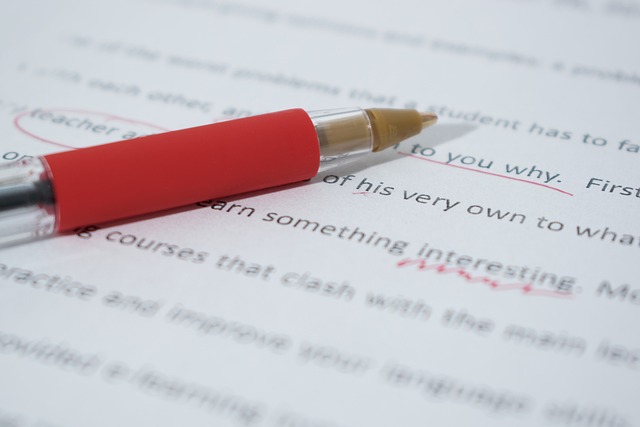
In today’s fast-paced world, employers highly value individuals who possess strong attention to detail, particularly in proofreading and editing capabilities. Whether you are working on a document, presentation, or even an email, the ability to review and correct errors is crucial for effective communication and professionalism. Being meticulous in your work not only reflects a commitment to excellence but also showcases your ability to produce accurate and error-free content that maintains high standards.
Having a keen eye for detail enables you to detect and rectify grammatical, punctuation, and spelling errors, ensuring your work is polished and error-free. Employers recognize that an attention to detail goes beyond catching typos; it demonstrates your commitment to producing high-quality work, which is a valuable asset in any position. Additionally, honing your proofreading and editing skills can help you refine your writing style, enhance clarity, and maintain consistency throughout your work. By meticulously proofreading your work, you can ensure your message is effectively conveyed and readily understood by your target audience.
- Enhances credibility: Delivering error-free, well-edited work enhances your credibility as a reliable and professional employee.
- Improves accuracy: Paying attention to small details minimizes the chances of factual, grammatical, or formatting errors.
- Ensures consistency: Proofreading helps maintain consistent grammar, style, and formatting throughout your work.
- Attention to client expectations: In client-driven industries, meticulous proofreading ensures your work aligns precisely with their requirements, strengthening client relationships.

6. Evaluating Creativity and Originality: Adding a Unique Perspective to Writing
In order to truly excel in writing, it is crucial to evaluate and enhance one’s creativity and originality. By embracing a unique perspective, writers can captivate their readers and stand out from the crowd. Here are a few tips and techniques to add that extra touch of creativity to your writing:
- Explore diverse sources of inspiration: Look beyond traditional sources and seek inspiration from various mediums such as art, music, nature, or personal experiences. Embracing a wide range of influences can help you bring a fresh and unique perspective to your work.
- Break free from conventions: Don’t be afraid to challenge norms and experiment with unconventional ideas. Originality often stems from thinking outside the box and embracing different approaches. Shake off the shackles of conformity and let your imagination run wild.
- Engage in brainstorming sessions: Collaborating with others can often lead to groundbreaking ideas. Organize brainstorming sessions with fellow writers, friends, or colleagues to bounce ideas off each other and gain valuable insights. The collective creativity that emerges from such collaborative efforts can be inspiring and invigorating for your writing.
Furthermore, to ensure your writing remains authentic and innovative, keep the following points in mind:
- Develop a strong voice: Cultivate your unique writing style that reflects your personality and showcases your individuality. Let your words resonate with your readers and establish a connection that keeps them engaged.
- Avoid clichés and common tropes: To maintain originality, steer clear of overused expressions and stereotypes. Challenge yourself to find fresh ways to convey ideas and concepts, and strive to surprise your readers with unexpected twists and turns.
- Seek constructive feedback: Engage with other writers or mentors who can provide valuable feedback on your work. Their insights and suggestions can help you refine your writing, enhance your creativity, and polish your unique perspective.

7. Adaptability: Ability to Tailor Writing Style to Different Audiences and Purposes
Being adaptable in writing is a vital skill that enables writers to fluidly adjust their writing style according to the specific needs of different audiences and purposes. It goes beyond simply conveying information; it involves understanding the unique characteristics of the intended readers and tailoring the message to resonate with them effectively.
When it comes to adapting writing style, one must consider various factors such as audience demographics, cultural backgrounds, and language proficiency levels. For instance, an academic audience may require a more formal and structured approach, utilizing technical terms and providing in-depth analysis. On the other hand, a general audience may prefer a more casual and engaging tone that can effortlessly connect with readers on a personal level. By adjusting the level of complexity, vocabulary, sentence length, and using relatable examples, a writer can bridge the gap between their words and the understanding of their audience, fostering better communication.
- Flexibility in tone: A skilled writer exhibits the ability to adapt their tone based on the intended outcome of their writing, whether it be informative, persuasive, or entertaining.
- Versatility in language: Adapting language proficiency levels to match the target audience enhances comprehension and ensures the message is delivered effectively.
- Customization of structure: Understanding the preferences of the audience allows a writer to tailor the organization and structure of their content, making it more engaging and accessible.
Overall, adaptability in writing is a powerful tool that allows writers to establish meaningful connections with their readers across various genres and platforms. It involves recognizing the unique characteristics of different audiences and purposes, and crafting content that captivates and resonates with them. By mastering this crucial skill, writers can empower their words, making them more impactful and effective in achieving their intended goals.
Frequently Asked Questions
Q: What is the purpose of writing exercises in the hiring process?
A: Writing exercises are used by employers to assess the writing skills and abilities of candidates. They serve as a way to evaluate a candidate’s written communication, critical thinking, and attention to detail.
Q: How are writing exercises typically used during the selection process?
A: Writing exercises can take various forms, such as writing samples, essay questions, or on-the-spot writing assignments. These exercises are usually provided to candidates either before an interview or during the interview process. Some employers may use them as initial screening tools, while others incorporate them as part of the final selection process.
Q: What specific qualities are employers looking for in writing exercises?
A: When evaluating writing exercises, employers seek candidates who demonstrate clear and concise writing style, proper grammar and punctuation, effective organization, and coherent ideas. They also look for the ability to convey complex information in a simple manner and attention to detail.
Q: Are there any common mistakes candidates should avoid when completing a writing exercise?
A: Yes, candidates should be cautious to avoid common mistakes such as spelling and grammatical errors, lack of clarity, rambling or digressing from the main topic, and poor structure or organization. It is crucial to proofread and revise the exercise before submitting it to ensure its quality.
Q: Is it essential for candidates to adapt their writing style based on the company or industry they are applying to?
A: Absolutely! Adapting the writing style to the company or industry shows an understanding of the target audience and an ability to tailor communication effectively. Candidates should research the organization’s tone and style preferences to align their writing with its expectations.
Q: How can candidates prepare for writing exercises during the hiring process?
A: Candidates can prepare for writing exercises by practicing their writing skills regularly. It is recommended to read widely and engage in diverse writing tasks, such as summarizing articles or writing sample essays. Additionally, candidates should familiarize themselves with the company and its industry to better understand the desired communication style.
Q: Are there any additional tips for impressing employers through writing exercises?
A: Apart from the basics of clear writing and proper grammar, candidates can make their writing more engaging by providing relevant examples, addressing potential counterarguments, and showcasing their unique perspectives. It is also important to follow any specific instructions or guidelines provided by the employer and to be mindful of deadlines.
Q: Can candidates use writing exercises to showcase their creativity or personality?
A: Yes, candidates can show their creativity and personality to some extent, but it is important to maintain professionalism and stay relevant to the exercise’s purpose. Adding a personal touch or unique insights can make the writing stand out, but it should never overshadow the core requirements of the exercise.
Q: How much weight do writing exercises typically carry in the overall hiring decision?
A: The weight given to writing exercises varies among employers and industries. However, they are often considered important indicators of a candidate’s communication skills and their ability to perform the tasks required for the position. Therefore, it is advisable for candidates to approach writing exercises with seriousness and professionalism.
In Conclusion
In conclusion, employers value clear, concise, and well-structured writing exercises that demonstrate effective communication skills.
Get our latest guides, news, and insights highlighted in your Google Search & AI Overviews.
