

Block Style is a vital skill and core concept in creative writing, copywriting, and typography. Mastering its fundamental principles, stylistic formatting conventions, and practical implementation ensures clarity, creative depth, and professional presentation across all digital and printed editorial mediums.
Have you ever found yourself staring at a blank piece of paper, paralyzed by the daunting task of composing a block style letter? Don’t worry, you’re not alone. Whether you’re a seasoned professional or a student looking to master the art of formal communication, writing a block style letter can be a challenging endeavor. But fear not, as we are here to guide you through the process step by step. In this article, we will dive into the world of block style letters, unraveling its intricacies and providing you with invaluable tips and tricks to ensure your correspondence is both formal and professional. So, grab a pen, clear your mind, and let’s embark on this journey together, unraveling the secrets of effective written communication.
Contents
- Block Style Letter: A Formal and Professional Communication
- Understanding Block Style Letter: An Introduction
- Components of a Block Style Letter: Formatting and Layout
- Writing a Block Style Letter: Guidelines and Best Practices
- Writing the Salutation and Body of a Block Style Letter: Key Considerations
- Crafting an Effective Closing and Signature for a Block Style Letter
- Proofreading and Editing a Block Style Letter: Ensuring Accuracy and Professionalism
- Additional Tips and Tricks for Writing an Impressive Block Style Letter
- Frequently Asked Questions
- In Summary
- Core Principles & Methodologies for Block Style
- Structured Comparison & Reference Matrix (Block Style)
- Expert FAQs & Best Practices on Block Style
Block Style Letter: A Formal and Professional Communication
When it comes to formal and professional communication, utilizing a block style letter format is essential. This type of formatting provides a clear and organized structure, making the communication easy to read and comprehend. It is widely used in various professional settings such as business correspondence, cover letters, and job applications.
The block style letter format is characterized by aligning all text to the left and using single spacing within each paragraph. This creates a clean and professional look, ensuring that your message is portrayed in a concise and formal manner. Here are some key characteristics of a block style letter:
- Full Block Format: In this format, each element of the letter is aligned to the left, including the heading, date, recipient’s address, salutation, paragraphs, and closing.
- Clear and Concise: The block style ensures that your letter is easily readable as it avoids irregular indentations or uneven spacing.
- Standard Typeface: Use a professional and legible font (e.g., Times New Roman, Arial) in a 10-12-point size to maintain a formal appearance.

Understanding Block Style Letter: An Introduction
Block style letter is a widely used format for business correspondence. It provides a professional and organized appearance, making it easier for the reader to comprehend the content. In a block style letter, all elements are aligned to the left margin, including the sender’s and recipient’s addresses, date, salutation, body paragraphs, and closing. This uniform alignment creates a clean and structured look, which is ideal for formal communication.
One of the key benefits of using block style letter format is its simplicity. With each element clearly separated and aligned, it becomes effortless to locate specific information within the letter. Moreover, the use of a single-spaced format makes the letter appear concise and comprehensive. The block style letter is often preferred in professional settings as it conveys a sense of professionalism and respect for the recipient. It is an essential tool for conveying important messages, such as job applications, business proposals, or formal inquiries.
When writing a block style letter, remember to include a clear and concise subject line to grab the reader’s attention. The subject line should summarize the purpose of the letter and provide a glimpse into its content. Additionally, bullet points can be used to highlight key points or create a list of items within the body paragraphs. Utilizing bold font for headings and subheadings is also an effective way to guide the reader through the letter and emphasize important information. By mastering the block style letter format, you will be equipped with a powerful tool for effective communication in various professional situations.
Components of a Block Style Letter: Formatting and Layout
When it comes to writing a block style letter, the formatting and layout play a crucial role in presenting your message effectively. By following the right structure, you can ensure that your letter is organized and easy to read. Here are some key components to consider:
1. Sender’s Information: Begin the letter by including your contact information at the top-left corner of the page. This typically consists of your name, address, phone number, and email address. By providing these details, you make it convenient for the recipient to respond to your letter.
2. Date: After the sender’s information, add the date of writing. This should be aligned with the right margin of the page. Including the date helps establish a timeline for the correspondence and adds a professional touch to the letter.
3. Recipient’s Information: Below your own information, insert the recipient’s details, including their name, job title, company name, and address. Make sure to align this to the left margin. Double-check the accuracy of these details, as addressing it to the right person is vital in ensuring your message reaches the intended recipient.
4. Salutation: Begin the body of your letter by addressing the recipient. This can be as simple as using “Dear [Recipient’s Name],” followed by a comma. If you’re unsure about the recipient’s gender, it’s best to use their full name instead of assuming one.
5. Body of the Letter: The main content of the letter should be organized into paragraphs, each focusing on a specific point or topic. Use a clear and concise writing style to express your thoughts effectively. Using bullet points or numbered lists can help convey information in a structured manner, making it easier for the reader to follow.
6. Closing and Signature: Conclude your letter with a polite closing, such as “Sincerely” or “Best regards,” followed by your name typed below. For a more personal touch, you can leave space for your handwritten signature above your typed name.
By paying attention to the formatting and layout of your block style letter, you can create a professional and visually appealing document that enhances the impact of your message. Remember, clear organization and attention to detail can make a significant difference in capturing the recipient’s attention and ensuring your message is comprehended effectively.
Writing a Block Style Letter: Guidelines and Best Practices
When it comes to writing a block style letter, following the guidelines and best practices can make a significant difference in making your message clear, professional, and impactful. The block style format is widely used in business correspondence as it provides a clean and organized look to your letter. Here are a few key points to keep in mind:
- Layout: Start with your name and contact information as the sender, followed by the date. Leave a double space and then include the recipient’s name, title, and address. Leave another double space before the salutation. Begin the body of your letter in left-aligned paragraphs, with single spacing within paragraphs and double spacing between them. End your letter with a closing and your name.
- Tone and Language: Maintain a professional and courteous tone throughout your letter. Use concise and straightforward language, avoiding jargon or overly complex sentences. Remember to proofread your letter to ensure proper grammar, spelling, and punctuation.
- Content: Clearly state the purpose of your letter in the opening paragraph. Follow this with supporting paragraphs that provide relevant details, examples, or explanations. Use bullet points to highlight key points or to create a visually appealing structure.
By adhering to these guidelines, your block style letter will have a polished appearance and effectively convey your intended message. Remember, it’s important to tailor your letter’s content and tone based on the recipient and purpose of your communication. Whether you are writing a business proposal, a cover letter, or a formal inquiry, the block style format provides a professional and consistent framework to showcase your communication skills.

Writing the Salutation and Body of a Block Style Letter: Key Considerations
Remember, the salutation and body of a block style letter play a vital role in conveying your message effectively, so take the time to carefully consider these key aspects. By following these considerations, you can ensure that your block style letter comes across as professional, respectful, and clear.
Crafting an Effective Closing and Signature for a Block Style Letter
In a block style letter, the closing and signature play a crucial role in leaving a lasting impression on your reader. This section is your final opportunity to reinforce your message and make your intentions clear. To ensure an effective and professional closing, consider the following pointers:
- Be concise and direct: Keep your closing paragraph brief and to the point. Avoid unnecessary fluff and get straight to the purpose of your letter.
- Restate your main point: Summarize the key takeaways of your letter to reinforce your main message. This will serve as a gentle reminder of your intentions.
- Show appreciation: Express gratitude for the reader’s time or consideration. This small act of courtesy can leave a positive impression.
- Include a call-to-action: If applicable, clearly state any desired next steps or actions you would like the recipient to take. This will help guide their response.
Once you have crafted an effective closing, it’s time to create a signature that reflects your professionalism and leaves a lasting impact. Pay attention to the following tips:
- Use a professional valediction: A formal closing phrase like “Sincerely” or “Best regards” helps maintain a respectful tone and adds a touch of professionalism to your letter.
- Add your full name: Sign your full name below the closing phrase to ensure clarity and authenticity. This also enables the recipient to easily identify you.
- Consider your contact information: Depending on the purpose of your letter, it may be beneficial to include your contact details, such as your phone number or email address, to facilitate further communication.
- Format your signature consistently: Make sure your signature matches the overall style and formatting of your letter. Consistency helps maintain a cohesive and polished appearance.
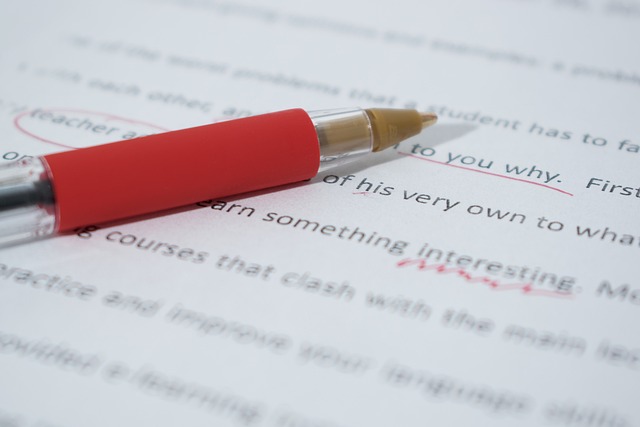
Proofreading and Editing a Block Style Letter: Ensuring Accuracy and Professionalism
When it comes to writing a block style letter, the importance of proofreading and editing cannot be stressed enough. This crucial step ensures that your message is communicated accurately and professionally. To help you achieve this, we have compiled some valuable tips and techniques to enhance the quality and impact of your letter.
1. Grammar and Spelling: Always double-check for any grammatical and spelling errors. Use spell-check tools, but don’t rely on them entirely. Manual proofreading is necessary to catch mistakes that automated systems might miss.
- Punctuation: Pay attention to the correct use of commas, periods, apostrophes, and other punctuation marks. They enhance the readability and clarity of your letter.
- Vocabulary: Use appropriate and accurate words that suit the purpose of your letter. Avoid excessive jargon or obscure terms that may confuse the reader.
- Conciseness: Ensure your sentences are clear and concise. Eliminate unnecessary repetitions to maintain a professional and polished tone.
Aside from grammar and spelling, it is crucial to address the overall structure and formatting of your block style letter:
- Correct Heading: Double-check that the heading includes all the necessary information, such as your name, address, date, recipient’s name, and address. This information should be properly aligned and formatted.
- Paragraphs: Ensure that each paragraph within the letter is properly indented and aligned. This adds visual appeal and makes it easier for the reader to navigate the content.
- Title and Closing: The title and closing lines should be appropriately placed and formatted. A clear and professional title introduces the subject, while a well-crafted closing leaves a lasting impression.

Additional Tips and Tricks for Writing an Impressive Block Style Letter
While mastering the block style letter format is a great start, here are some additional tips and tricks to make your letter truly stand out:
1. Be concise: One of the key elements to creating an impressive block style letter is to keep it brief and to the point. Avoid using unnecessary words or going off on tangents. Communicate your message clearly and succinctly to maintain the reader’s interest.
2. Personalize your tone: Incorporating a personalized touch can make your letter more memorable and engaging. Address the recipient by their name and use a friendly yet professional tone. This simple act can create a connection and make your letter feel more authentic.
3. Use bullet points: When presenting multiple ideas, lists, or suggestions, bullet points can enhance readability and make your information easier to digest. Utilizing bullet points allows the reader to quickly skim through the key points and grasp the main ideas of your letter.
4. Proofread with diligence: A block style letter loses its impact if it contains spelling or grammatical errors. Proofread your letter meticulously, checking for typos, spelling mistakes, and grammar inconsistencies. It’s also a good idea to have someone else review your work for a fresh perspective.
Frequently Asked Questions
Q: What is a block style letter and when should it be used?
A: A block style letter is a type of formal communication format where the entire letter is aligned to the left side of the page, without any indentation. It should be used in professional settings, such as when writing business letters, job application letters, or formal correspondence to clients or organizations.
Q: What are the key components of a block style letter?
A: A block style letter typically consists of the sender’s address, date, recipient’s address, salutation, body paragraphs, closing, and signature. Each component is left-aligned and separated by a single space.
Q: How should the sender’s and recipient’s addresses be formatted in a block style letter?
A: In a block style letter, the sender’s address is usually positioned at the top left corner of the page, followed by the date. The recipient’s address is placed below the sender’s address, justified slightly to the right.
Q: How should the salutation be written in a block style letter?
A: The salutation in a block style letter begins two lines below the recipient’s address and is typically followed by a colon. Use a formal salutation, such as “Dear Mr. Smith” or “To whom it may concern,” depending on the recipient.
Q: What should be included in the body paragraphs of a block style letter?
A: The body paragraphs of a block style letter should convey the main message or purpose of the letter. It is advisable to divide the content into several paragraphs, each addressing a specific point or topic. Ensure that each paragraph flows smoothly and maintains a formal tone.
Q: How should the closing and the writer’s signature be presented in a block style letter?
A: The closing of a block style letter is positioned two lines below the last paragraph, followed by a comma. Use an appropriate closing, such as “Sincerely” or “Regards,” and leave four lines of space for the writer’s signature. Sign the letter using a pen or digitally, depending on the medium used to deliver the letter.
Q: Is it necessary to include any enclosures or attachments in a block style letter?
A: If there are any enclosures or attachments accompanying the block style letter, they should be mentioned at the end, after the signature. For example, you can write “Enclosure” or “Attachment: Resume” to inform the recipient about the additional documents.
Q: Are there any important formatting tips to keep in mind while writing a block style letter?
A: Absolutely! When writing a block style letter, ensure you use a professional and readable font such as Times New Roman or Arial, with a font size of 12. Maintain consistent spacing between sections and paragraphs, and avoid using any sort of indentation in the text. It is also important to proofread the letter for any grammatical or spelling errors before sending it.
In Summary
In conclusion, mastering the art of writing block style letters can greatly enhance your formal and professional communication skills.
Core Principles & Methodologies for Block Style
Applying best practices to block style requires a systematic approach to structure, syntax, and creative workflow. Consider the following foundational guidelines:
- Contextual Clarity: Determine the exact tone, audience, and publication format before drafting or formatting your text.
- Standardized Conventions: Ensure consistent adherence to industry-standard style guides (Chicago Manual of Style, APA, or MLA) to maintain credibility.
- Iterative Refinement: Continually evaluate sentence flow, rhythmic pacing, and semantic density to eliminate unnecessary filler and improve reader engagement.
Structured Comparison & Reference Matrix (Block Style)
| Element / Parameter | Recommended Implementation | Common Pitfalls | Editorial Impact |
|---|---|---|---|
| Formatting Precision | Strict adherence to typography and punctuation hierarchy | Inconsistent capitalization and rogue quotation marks | High readability & professional visual polish |
| Tool Utilization | Effective integration of modern writing & design software | Over-reliance on uncalibrated automated suggestions | Streamlined productivity without loss of authorial voice |
| Audience Engagement | Direct, active language with vivid descriptive hooks | Passive constructions and generic clichés | Stronger narrative resonance and retention |
Expert FAQs & Best Practices on Block Style
What is the most effective way to optimize block style?
Combine structured outlining with targeted proofreading tools, checking for punctuation accuracy, consistent style guide compliance, and authentic creative expression.
How do formatting rules vary across different writing contexts?
Creative fiction prioritizes immersive storytelling and narrative voice, whereas academic, technical, and copywriting projects require strict adherence to formal style manuals and conversion frameworks.
Get our latest guides, news, and insights highlighted in your Google Search & AI Overviews.
