


If you’ve ever stared at a blank page, desperately hoping for inspiration to strike, you’re not alone. Writer’s block is an all too familiar nemesis that haunts even the most experienced wordsmiths. Whether you’re a professional author, a student working on an essay, or someone with the passionate desire to express yourself through writing, encountering writer’s block can be incredibly frustrating. But fear not! In this article, we will delve into effective techniques to break free from the clutches of writer’s block, empowering you to unleash your creativity and achieve your writing goals. Embark on this journey with us, as we explore a myriad of tips to help you conquer the dreaded writer’s block once and for all.
Contents
- Understanding Writer’s Block and Its Causes
- Tips to Overcome Writer’s Block: Tapping into Inspiration
- Breaking the Cycle: Practical Strategies for Beating Writer’s Block
- Restoring Creativity: Effective Techniques to Unblock Your Writing
- Effective Techniques to Unblock Your Writing
- Busting Myths: Debunking Common Misconceptions about Writer’s Block
- Finding Your Flow: Creating a Productive Writing Routine
- Unleashing Your Inner Muse: Cultivating a Creative Mindset
- Harnessing the Power of Freewriting to Overcome Writer’s Block
- Frequently Asked Questions
- Future Outlook
Understanding Writer’s Block and Its Causes
Writer’s block is a common phenomenon experienced by many writers, where they find themselves unable to produce new work or experience a significant decrease in their writing productivity. It can be incredibly frustrating and demotivating, but it’s essential to understand the causes behind this creative impasse in order to identify potential solutions.
Possible Causes of Writer’s Block:
- Perfectionism: Striving for perfection in one’s writing can lead to self-doubt and fear of failure, causing a mental roadblock.
- Lack of Inspiration: Sometimes, writers struggle with finding fresh ideas or creative inspiration to guide their writing process.
- External Distractions: Environmental factors like noise, interruptions, or personal issues can disrupt focus and hinder the creative flow.
- Self-Criticism: Harsh self-judgment or a fear of criticism can paralyze writers, making it difficult for them to express their thoughts freely.
Overcoming Writer’s Block:
- Embrace Freewriting: Dive into writing without worrying about structure or quality, allowing thoughts to flow freely without inhibition.
- Explore Different Mediums: Trying out different forms of expression, such as doodling, journaling, or mind mapping, can stimulate creativity and generate new ideas.
- Set Realistic Goals: Breaking down the writing process into small, manageable tasks can make the task less overwhelming and boost productivity.
- Seek Support: Connecting with fellow writers or joining a writing group can provide valuable feedback, encouragement, and a sense of camaraderie.

Tips to Overcome Writer’s Block: Tapping into Inspiration
When faced with the dreaded writer’s block, finding inspiration can feel like an insurmountable challenge. However, fear not! With a few tips and tricks, you can easily tap into your inner well of creativity and wave goodbye to that pesky writer’s block.
- Read widely and diversely: One of the best ways to overcome writer’s block is to immerse yourself in a variety of literature. Whether it’s classic novels, poetry, or even non-fiction articles, exposing yourself to different writing styles and genres can help spark new ideas and fresh perspectives.
- Embrace the power of brainstorming: Don’t underestimate the effectiveness of a good brainstorming session! Grab a pen and paper or fire up your favorite note-taking app, and let your thoughts flow freely. Write down every single idea, no matter how big or small, without judgment. You’ll be amazed at how this simple exercise can kickstart your creativity.
Moreover, take a break! Stepping away from your work can give your mind time to recharge and make room for new ideas to percolate. Go for a walk, indulge in a hobby, or simply do something that brings you joy. By allowing yourself some downtime, you’ll return to your writing with a fresh perspective and renewed energy.
Breaking the Cycle: Practical Strategies for Beating Writer’s Block
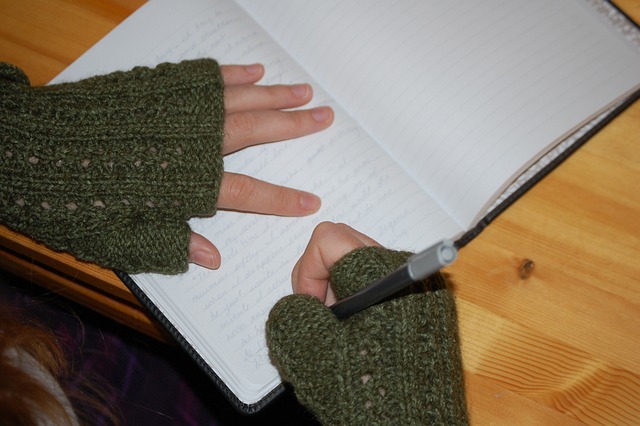
Writer’s block can be frustrating and debilitating for any writer, but there are practical strategies that can help you break free from this creative slump. Here are a few tips to help you conquer writer’s block and unleash your creativity:
- Change your environment: Sometimes, a change of scenery can do wonders for your creativity. Step away from your usual writing space and find a new location that inspires you. It could be a cozy café, a park bench, or even your backyard. The fresh surroundings can stimulate your mind and help you overcome writer’s block.
- Freewriting: One effective technique to break through writer’s block is freewriting. Set a timer for a specific period (e.g., 10 minutes) and just write whatever comes to mind, without any judgment or concern for grammar or coherence. This exercise helps to quiet your inner critic and allows your thoughts to flow freely. Once the timer goes off, review what you’ve written and identify any ideas that could be expanded into your project.

Restoring Creativity: Effective Techniques to Unblock Your Writing
Effective Techniques to Unblock Your Writing
As writers, we all go through periods of creative block, where the words just don’t seem to flow. It can be incredibly frustrating and discouraging, but fear not! There are several proven techniques that can help unlock your creativity and get those words flowing again.
1. Freewriting: Set a timer for 10-15 minutes and start writing without any constraints or judgment. Let your thoughts flow freely and write whatever comes to mind. This technique helps to silence your inner critic and allows your ideas to surface.
2. Change of scenery: Sometimes all you need is a change of environment to inspire creativity. Step away from your desk and take a walk in nature, visit a museum, or simply find a cozy café. Immerse yourself in a new setting to stimulate new ideas.

Busting Myths: Debunking Common Misconceptions about Writer’s Block
Writer’s block is a phenomenon many writers have encountered at some point in their careers. However, there are several myths surrounding writer’s block that need debunking. The first myth is that writer’s block is a result of laziness or lack of inspiration. In reality, writer’s block can be caused by a variety of factors such as stress, self-doubt, or even burnout. It’s important to understand that it’s not always a simple matter of sitting down and forcing yourself to write; sometimes, a break or a change in environment is necessary to overcome this hurdle.
Another common misconception is that writer’s block affects only novice writers. This couldn’t be further from the truth. Writer’s block can affect writers of all levels of experience. Even seasoned and successful authors have faced periods of creative stagnation. It’s crucial to recognize that writer’s block is a natural part of the creative process. Embracing it and finding strategies to overcome it can lead to growth and improved writing skills.

Finding Your Flow: Creating a Productive Writing Routine
Developing a consistent and productive writing routine can greatly enhance your ability to tap into your creative flow and produce high-quality work. Here are some practical strategies to help you find your rhythm and establish a routine that works for you:
- Set a Dedicated Writing Time: Choose a specific time of day when you know you are most alert and focused. Whether it’s early mornings, late nights, or during your lunch break, finding a regular time slot will condition your mind to be ready and receptive to the writing process.
- Create a Distraction-Free Environment: Before you begin your writing session, eliminate any potential distractions. Put your phone on silent, close unnecessary browser tabs, and find a quiet space where you can fully immerse yourself in the writing process. This will help you maintain concentration and stay in flow.
- Start with a Warm-Up: Just like athletes warm up before a game, writers can benefit from warming up their creative muscles. Begin each writing session with a short, free-writing exercise or brainstorming session. This allows your mind to transition into the writing mode and helps generate new ideas.
- Break It Down: Instead of overwhelming yourself with the notion of completing an entire piece in one sitting, break your writing tasks into manageable chunks. Set smaller goals, such as completing a specific section or writing for a certain number of minutes. This approach will make your writing more approachable and less daunting.
Remember, finding the ideal writing routine may require some experimentation and adjustment. Everyone’s creative process is unique, so be open to shifting your approach until you find a routine that maximizes productivity and allows your creativity to flourish.
Unleashing Your Inner Muse: Cultivating a Creative Mindset
Developing a creative mindset is like embarking on a captivating journey of self-discovery. It goes beyond simply admiring creativity; it embraces the essence of innovation and imaginative thinking. To unleash your inner muse, you need to foster a set of habits and perspectives that will ignite your creative potential. Here are some effective techniques to cultivate a creative mindset and awaken the artist within you:
- Embrace curiosity: Curiosity is the fuel for creative exploration. Be open to new experiences, ask questions, and challenge the norm. Curiosity propels you to see the world through fresh eyes, uncover hidden connections, and discover unconventional solutions.
- Nurture your passions: Tap into your hobbies, interests, and passions to fuel your creativity. Whether it’s painting, cooking, or writing poetry, engaging in activities that ignite your passion allows your mind to wander and make new connections. Pursue what makes your heart sing, and you’ll find your creative juices flowing effortlessly.
- Cultivate a growth mindset: Adopting a growth mindset is crucial in unleashing your creativity. Embrace challenges, view failures as learning opportunities, and believe in your ability to improve. A growth mindset fosters resilience, perseverance, and an unwavering belief in your creative capabilities.
Unleashing your inner muse requires dedication and practice. By cultivating a creative mindset through curiosity, nurturing your passions, and adopting a growth mindset, you can unlock your full creative potential. Break free from the constraints of routine thinking and let your imagination soar. Embrace the artist within you and watch as your ideas take flight, inspiring yourself and the world around you.
Harnessing the Power of Freewriting to Overcome Writer’s Block
Writer’s block can be a frustrating and debilitating experience for any writer. However, there is a simple yet powerful technique that can help you overcome this creative impasse: freewriting. Freewriting is a practice where you write continuously without stopping or censoring yourself, allowing your thoughts and ideas to flow freely onto the page.
One of the main advantages of freewriting is that it helps to quiet the inner critic that often hinders the writing process. By focusing on writing without judgement or fear of making mistakes, you create a safe space for your creativity to flourish. This allows for a more organic and spontaneous writing style, which can lead to fresh and innovative ideas. Freewriting is not about producing a perfect piece of writing; rather, it’s about generating a stream of consciousness that can later be refined and edited.
Frequently Asked Questions
Q: What is writer’s block and why does it happen?
A: Writer’s block refers to a common phenomenon experienced by writers, where they find themselves unable to produce new work or feel creatively stuck. It could be caused by various factors such as stress, self-doubt, lack of inspiration, or even fear of failure.
Q: How can I overcome writer’s block?
A: There are several techniques you can try to break free from writer’s block. One effective method is to establish a writing routine or schedule, which helps train your mind to be creative at specific times. Another approach is to try freewriting, where you simply write without any judgment or concern for grammar and spelling. Additionally, seeking inspiration from different sources such as books, music, or nature can help ignite your creativity.
Q: What are some practical tips to improve my writing productivity?
A: To boost your writing productivity, start by setting realistic goals and breaking your writing tasks into smaller manageable chunks. Removing distractions, whether it’s turning off notifications or finding a quiet space, can help you focus. It’s also valuable to take breaks, exercise, and engage in activities that stimulate your mind. Finally, seeking feedback from fellow writers or joining a writing group can offer you constructive criticism and motivation to keep going.
Q: How does practicing self-care help with writer’s block?
A: Taking care of yourself physically and mentally plays an essential role in overcoming writer’s block. Prioritize activities like getting enough sleep, eating well, and exercising regularly to maintain a healthy mind and body. Furthermore, practicing mindfulness or meditation can help calm your thoughts, relieve stress, and foster a conducive environment for creativity to thrive.
Q: Is it normal to experience writer’s block, and is there a way to prevent it?
A: Yes, experiencing writer’s block is entirely normal and experienced by writers of all levels. While it may not be completely preventable, there are preemptive measures you can take to minimize its impact. Developing a regular writing habit, seeking out new experiences, maintaining a positive mindset, and avoiding excessive self-criticism can reduce the frequency and duration of writer’s block episodes.
Q: Can I use writing prompts or brainstorming techniques to overcome writer’s block?
A: Yes, writing prompts and brainstorming techniques can be excellent tools to overcome writer’s block. Writing prompts provide a starting point, stimulating your imagination and helping to generate ideas. On the other hand, brainstorming techniques, like mind mapping or listing, can help you organize your thoughts and develop a coherent structure for your writing.
Q: Are there any writing exercises specifically designed to combat writer’s block?
A: Absolutely! Writing exercises designed to combat writer’s block can work wonders. Some effective exercises include writing freely about a specific topic for a set period of time without any pressure, writing letters or journal entries as a form of self-expression, or challenging yourself to rewrite a favorite story or article with your unique spin. These exercises help break the cycle of stagnation and encourage a flow of ideas and words.
Q: What mindset should I adopt to overcome writer’s block?
A: Adopting a positive mindset is crucial to overcoming writer’s block. Accept that it’s a normal part of the writing process and avoid being overly critical of your own work. Embrace failures and mistakes as learning opportunities, and remind yourself that progress takes time. By cultivating a patient, self-compassionate attitude, you can release the mental blocks and unleash your creative potential.
Q: Are there any famous writers who have dealt with writer’s block? What can we learn from them?
A: Writer’s block has plagued even the most celebrated authors throughout history. F. Scott Fitzgerald, J.K. Rowling, and Ernest Hemingway are a few examples of writers who have experienced this challenge. Their experiences teach us that writer’s block is temporary and that perseverance is key. Taking breaks, seeking inspiration from various sources, and embracing the struggle are all part of the writing journey.
Q: Are there any resources or professional help available for writers struggling with writer’s block?
A: Absolutely! Many resources, both online and offline, are available to assist writers struggling with writer’s block. Writing communities, such as workshops or online forums, provide a supportive space to connect with fellow writers and receive helpful advice. Moreover, seeking the guidance of a writing coach or counselor who specializes in creative challenges can provide individualized strategies tailored to your specific needs.
Future Outlook
In conclusion, overcoming writer’s block requires a combination of strategies, from changing your environment to practicing relaxation techniques. With these tips, you can break free from creative challenges and tap into your inner creativity. Happy writing!
Get our latest guides, news, and insights highlighted in your Google Search & AI Overviews.
