


Creativity Management: How to Handle Writer’s Block
If you’ve ever experienced the frustration of staring at a blank page, desperately searching for inspiration, you can definitely relate to the infamous phenomenon known as writer’s block. Whether you’re a seasoned writer or someone who occasionally dabbles in creative endeavors, this all-too-common productivity killer can strike when you least expect it. From poets to novelists, journalists to content creators, writer’s block does not discriminate, leaving even the most talented minds feeling creatively stranded. But fear not! In this article, we will explore the ins and outs of creativity management and arm you with practical strategies to overcome writer’s block. So grab a cup of your favorite beverage, settle into a cozy chair, and prepare to unleash your untapped creativity!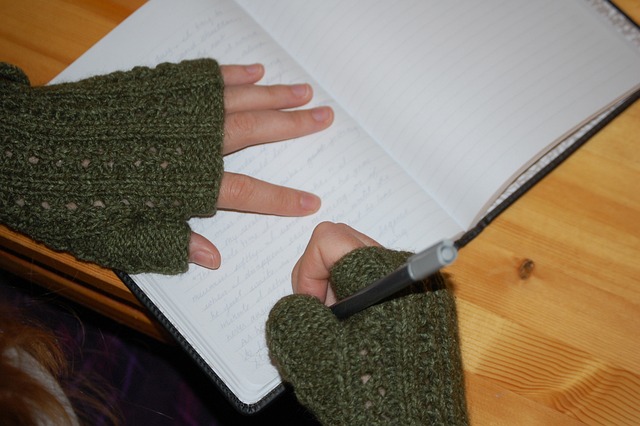
Contents
- Understanding Writer’s Block and Its Impact on Creativity
- Identifying the Causes of Writer’s Block: Psychological and Environmental Factors
- Exploring Effective Strategies to Overcome Writer’s Block
- Unlocking Creativity: Techniques to Inspire and Enhance Writing
- Developing a Productive Writing Routine to Combat Writer’s Block
- Embracing Creative Exercises and Prompts to Stimulate Imagination
- Seeking Inspiration Outside the Norm: Unconventional Sources for Writers
- Fostering a Supportive Creative Community to Overcome Writer’s Block
- Frequently Asked Questions
- Key Takeaways
Understanding Writer’s Block and Its Impact on Creativity
Causes of Writer’s Block
Writer’s block is a phenomenon that affects many creative individuals, hindering their ability to produce their best work. Various factors contribute to the development of writer’s block, including:
- Perfectionism: The fear of not producing flawless work can often paralyze writers, leading to a lack of progress and creative stagnation.
- External Pressure: When writers face tight deadlines or high expectations from others, it can result in immense pressure that hampers their ability to generate ideas and express themselves freely.
- Lack of Inspiration: Sometimes, writers may struggle to find inspiration or encounter a creative drought, making it difficult for them to come up with fresh and innovative ideas.
- Self-Doubt: A common cause of writer’s block is the self-doubt that creeps into the minds of writers, causing them to question their abilities and hinder their creative flow.
The Impact of Writer’s Block on Creativity
Writer’s block can have a significant impact on a writer’s creativity and overall well-being. It not only hampers the writing process but also affects one’s self-confidence and professional growth. Some negative effects of writer’s block include:
- Decreased Productivity: Writing becomes a daunting task, leading to a decrease in output and a delay in completing projects.
- Emotional Strain: The frustration and stress that come with writer’s block can take an emotional toll, causing anxiety, self-doubt, and even a sense of failure.
- Loss of Momentum: Writer’s block disrupts the creative momentum, making it challenging to pick up where one left off and regain the flow of ideas.
- Stifled Imagination: The inability to tap into one’s imagination prevents the exploration of new concepts and limits the growth and development of writing skills.

Identifying the Causes of Writer’s Block: Psychological and Environmental Factors
Writer’s block is a frustrating hurdle encountered by many writers, impeding the creative flow and stalling progress. Understanding the psychological and environmental factors that contribute to this phenomenon can help us overcome it.
Psychological Factors
1. Self-Criticism: The constant urge to produce flawless work can lead to self-doubt and fear of failure, increasing the likelihood of writer’s block. To combat this, try adopting a more forgiving mindset and remember that every first draft can be refined.
2. Perfectionism: Striving for perfection can be paralyzing, making it difficult to start or finish a piece. Embrace imperfections and allow your creativity to flow organically, knowing that editing is an indispensable part of the writing process.
3. Fear of Judgment: The fear of others’ opinions can stifle creativity. Remind yourself that writing is a personal expression, and not everyone will resonate with your work. Embrace your unique voice and focus on writing for yourself first.
Environmental Factors
1. Distractions: A chaotic or noisy working environment can divert attention and hinder concentration. Find a quiet and organized space where you can immerse yourself in your writing.
2. Lack of Inspiration: Surrounding yourself with unstimulating or monotonous surroundings can dampen creativity. Seek inspiration from nature, artwork, music, or engaging literature to spark your imagination.
3. Time Pressure: Feeling rushed or overwhelmed can cause writer’s block. Set aside dedicated time for writing, free from distractions, to alleviate the pressure and allow ideas to flow more naturally.

Exploring Effective Strategies to Overcome Writer’s Block
Writer’s block can strike anyone, from seasoned authors to novice bloggers. It can be frustrating and demoralizing, but fear not! We have curated a list of effective strategies to help you conquer this creative obstacle. So, put pen to paper (or fingers to keyboard) and get ready to unleash your inner wordsmith!
1. Freewriting: Sometimes, the best way to overcome writer’s block is to simply start writing. Set a timer for 15 minutes and jot down whatever comes to mind. Don’t worry about grammar, structure, or coherence. Let your thoughts flow freely and see where they take you. This exercise can help break down mental barriers and kickstart your creativity.
2. Change your environment: Staring at a blank screen or a pristine sheet of paper can exacerbate writer’s block. Instead, switch up your surroundings. Head to a local café, park, or even your backyard. The change in scenery can stimulate your senses and provide a fresh perspective. Plus, you’ll have the added bonus of people-watching while you brainstorm ideas.

Unlocking Creativity: Techniques to Inspire and Enhance Writing
Writing is an art form that requires creativity and inspiration. To help you unleash your imagination and take your writing to new heights, we have gathered a selection of techniques that are sure to ignite your creativity. By incorporating these techniques into your writing process, you can break free from writer’s block and discover new depths in your storytelling.
1. Mind Mapping: Visualize your ideas in a non-linear way by creating a mind map. Start with a central theme or topic and branch out to connect related ideas. This technique allows your thoughts to flow freely and uncovers unexpected connections, giving your writing a unique perspective.
2. Stream of Consciousness: Let your thoughts pour onto the page without any censoring. Write freely and without concerns for grammar or structure. This technique helps tap into your subconscious and allows for spontaneous ideas to emerge. Over time, you can refine and shape these raw thoughts into coherent and powerful pieces of writing.
3. Embrace Constraints: Paradoxically, constraints can breed creativity. Limit yourself by imposing certain rules or conditions on your writing, such as word count or specific themes. These limitations force you to think outside the box and find innovative ways to convey your message. Embracing constraints can lead to surprising breakthroughs.
4. Dabble in Different Genres: Explore writing in various genres, even if they are outside your comfort zone. Experimenting with different styles allows you to discover new ways of expression and techniques that can enhance your writing overall. Step into the unfamiliar, and you may be pleasantly surprised with the results.
Remember, creativity is a muscle that needs to be exercised regularly. By incorporating these techniques into your writing routine, you will unleash your imagination and take your writing to new and exciting places. So, grab your pen or keyboard, and let your creativity flow!

Developing a Productive Writing Routine to Combat Writer’s Block
Writer’s block can often strike when we least expect it, leaving us frustrated and searching for ways to break through the creative rut. Developing a productive writing routine can help combat writer’s block and foster a more consistent and disciplined approach to our craft. Here are a few tips to help you establish a routine that will ignite your creativity and keep your words flowing:
- Set a designated writing time: Creating a regular schedule helps train your brain to switch into writing mode effortlessly. Whether it’s early morning or late at night, find a time slot that suits you best and stick to it.
- Create a comfortable workspace: A clutter-free and comfortable writing environment can greatly enhance your focus and productivity. Dedicate a specific space for your writing, equipped with all the essentials you need, such as a cozy chair, good lighting, and inspiring decorations.
- Start with warm-up exercises: Just like athletes warm up before a game, writers need warm-up exercises to get their minds in the right space. Engage in short freewriting sessions, journaling, or reading a favorite book passage before diving into your main writing project. This helps clear mental clutter and gets the creative juices flowing.
A productive writing routine also involves taking care of yourself and managing distractions effectively:
- Set realistic goals: Break down your writing tasks into manageable chunks, setting achievable goals that can be accomplished within your allotted writing time. Celebrate each small victory to boost your motivation.
- Practice self-care: Maintaining physical and mental well-being is crucial for sustained creativity. Get enough sleep, exercise regularly, and prioritize activities that recharge your energy and inspire new ideas.
- Minimize distractions: Create a writing ritual to signal your brain that it’s time to focus. Turn off notifications on your devices, disconnect from social media, and find a quiet space where interruptions are minimal. Tools like noise-cancelling headphones can be invaluable for maintaining concentration.

Embracing Creative Exercises and Prompts to Stimulate Imagination
When it comes to nurturing our imagination, engaging in creative exercises and prompts can be exceptionally powerful. These activities provide an outlet for our thoughts and ideas, allowing us to explore new realms of imagination and inspiration. So, whether you’re an aspiring writer, artist, or simply a curious soul longing to tap into your creative side, here are some stimulating exercises and prompts that can ignite your imagination:
- Word Association Game: Start with a random word and let your mind take off on a journey by associating it with other concepts or ideas. Let your thoughts flow freely, without judgment or limitation, and observe where your imagination takes you.
- Visual Collage: Grab a stack of magazines or print out various images from the web. Cut or tear out pictures that catch your attention and create a collage that represents your current mood or desires. Allow your subconscious to guide you, and let the visuals spark new imaginative ideas.
- Story in Six Words: Challenge yourself to tell a story using exactly six words. This exercise forces you to distill your thoughts and convey a complete narrative with a single sentence. The brevity of the exercise encourages creativity and sharpens your ability to communicate effectively through storytelling.
By embracing these creative exercises and prompts, we invite imaginative exploration into our lives. Remember, creativity knows no bounds, so feel free to experiment with different exercises, brainstorm with others, and above all, have fun! Imagination is a limitless playground, waiting for you to dive in and uncover the treasures hidden within.
Seeking Inspiration Outside the Norm: Unconventional Sources for Writers
As a writer, finding inspiration is crucial for breathing life into your work. While traditional sources such as books, nature, and personal experiences are go-to options, it’s often the unconventional sources that can spark the most intriguing ideas. Unearthing inspiration from unexpected places can challenge your creativity and take your writing to dazzling new heights. Here are a few unconventional sources that may just ignite that creative fire within:
- Murals and Street Art: Take a stroll through your neighborhood and observe the captivating murals and graffiti adorning the walls. The vibrant colors, thought-provoking imagery, and stories depicted in these urban masterpieces can inspire unique characters, settings, and narratives in your writing.
- Old Photographs: Dive into dusty photo albums, explore flea markets, or scour digital archives to stumble upon forgotten snapshots from the past. Let the faded smiles, timeless fashion, and frozen moments evoke emotions and spark your imagination. These treasures can breathe life into historical fictions or serve as a backdrop for nostalgic short stories.
- Conversations with Strangers: Engaging in conversations with strangers can open up unexpected doors to inspiration. Release your inhibitions and strike up unique and diverse discussions with people you meet on public transportation or in coffee shops. Listen to their dreams, fears, or anecdotes, and let their stories intertwine with your own, birthing fresh perspectives and captivating narratives.
Break free from the ordinary and venture into the world of unconventional sources for your writing inspiration. Murals, old photographs, and random encounters with strangers are just a few examples of the many hidden gems waiting to be discovered. Embrace the unknown, ignite your curiosity, and watch as your writing transforms into something extraordinary!
Fostering a Supportive Creative Community to Overcome Writer’s Block
Writer’s block can be a frustrating obstacle that many creatives face. However, fostering a supportive creative community can provide invaluable resources and inspiration to overcome this hurdle. Here’s how you can nurture a community that helps you break free from writer’s block:
1. Engage in Collaborative Projects
Collaboration is a fantastic way to challenge yourself and get out of your comfort zone. Work on joint writing projects with your fellow community members to gain new perspectives and spark your creativity. Consider establishing a shared document where everyone can contribute ideas, feedback, and suggestions. This collaborative approach not only combats isolation but also fosters a vibrant exchange of thoughts that can stimulate your writing process. Embrace the power of community and let your creativity flourish together!
2. Establish Regular Writing Prompts
Challenges can help alleviate writer’s block by encouraging you to write regularly and explore new topics. Organize weekly or monthly writing prompts within your community and invite everyone to participate. Each prompt can be a springboard for creative exploration, enabling you to experiment with different styles, genres, and themes. Sharing your responses and giving feedback to others will create a positive feedback loop that sparks inspiration and encourages continued writing. Remember, regular writing is key to keeping your creative juices flowing!
Frequently Asked Questions
Q: What is writer’s block?
A: Writer’s block is a common phenomenon where writers struggle to generate new ideas or face challenges in putting thoughts into words. It can be a frustrating period of time when creative inspiration seems to diminish, making it harder to produce work.
Q: Are there specific causes for writer’s block?
A: Writer’s block can be caused by various factors. It could be self-doubt, a fear of failure, feeling overwhelmed, perfectionism, or even external pressures such as deadlines. Sometimes, the lack of new experiences or a monotonous routine can also lead to a creative roadblock.
Q: How can one overcome writer’s block?
A: There is no one-size-fits-all answer, but there are several techniques that can help. One effective method is taking a break and engaging in activities outside of writing, such as physical exercise or hobbies. This change of focus allows the mind to relax and often brings fresh perspectives. Another helpful approach is brainstorming, where ideas are freely generated without judgment. Additionally, experimenting with different environments or writing routines can also stimulate creativity.
Q: Can mindset play a role in managing writer’s block?
A: Absolutely. The right mindset is crucial in overcoming writer’s block. Adopting a positive mindset and practicing self-compassion can help alleviate the pressure and self-criticism commonly associated with this creative block. Embracing the idea that creativity has ups and downs, and that it is natural to experience moments of difficulty, can make the process more manageable.
Q: Is it helpful to have a routine or schedule for writing?
A: Yes, establishing a routine or schedule can be highly beneficial. Setting aside dedicated time for writing, even if it doesn’t initially yield perfect results, helps create a regular writing habit. Having a schedule also reduces the chances of procrastination, as it becomes a part of one’s daily routine and increases accountability.
Q: How important is a supportive writing community in managing writer’s block?
A: A supportive writing community can be a game-changer when dealing with writer’s block. Connecting with fellow writers who understand the challenges and can provide encouragement or feedback can significantly boost motivation. Whether it’s through writing groups, online forums, or workshops, being part of a community can offer insights and strategies to overcome creative obstacles.
Q: Are there any strategies to prevent writer’s block in the first place?
A: While writer’s block cannot always be fully prevented, there are strategies that can reduce its likelihood. One effective method is cultivating a regular reading habit to expose oneself to different writing styles and ideas. Additionally, actively seeking out inspiration from various sources, such as nature, art, or conversations, can keep the creative spark alive. Finally, maintaining good health through exercise, diet, and adequate rest can contribute to overall mental well-being and creativity.
Q: Is it recommended to seek professional help for persistent writer’s block?
A: If writer’s block persists despite trying various techniques and impacts one’s ability to work or causes significant distress, it can be helpful to seek professional help. Creative professionals, such as writing coaches or therapists specializing in creative blocks, can provide individualized support and guidance to overcome these challenges.
Q: Is writer’s block a permanent condition?
A: No, writer’s block is not a permanent condition. It is often a temporary hurdle that can be overcome with patience and persistence. By implementing various strategies, maintaining a positive mindset, and seeking support when necessary, writers can find ways to manage, reduce, and eventually overcome writer’s block. It’s important to remember that creativity, like any other skill, requires practice and perseverance.
Key Takeaways
In conclusion, writer’s block can be frustrating, but with proper creativity management techniques, it can be overcome. Stay positive and keep practicing!
